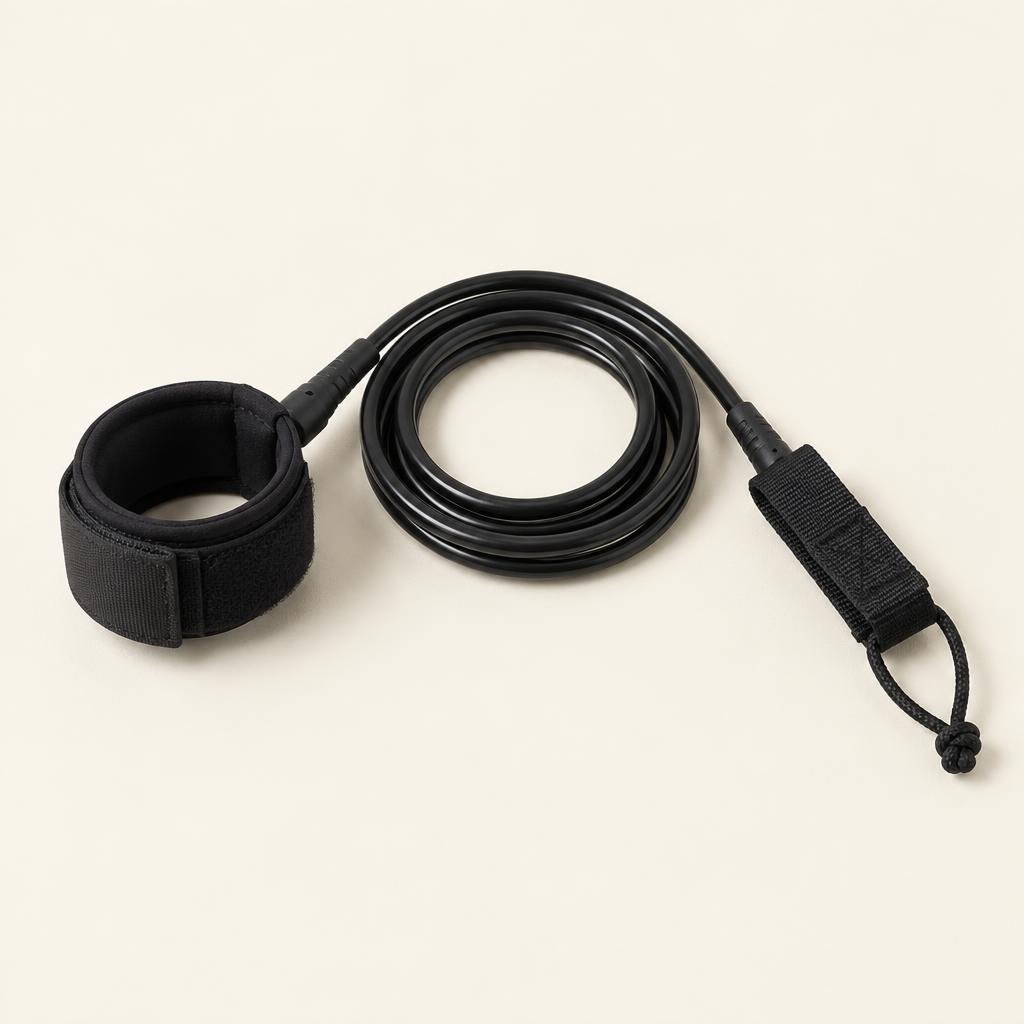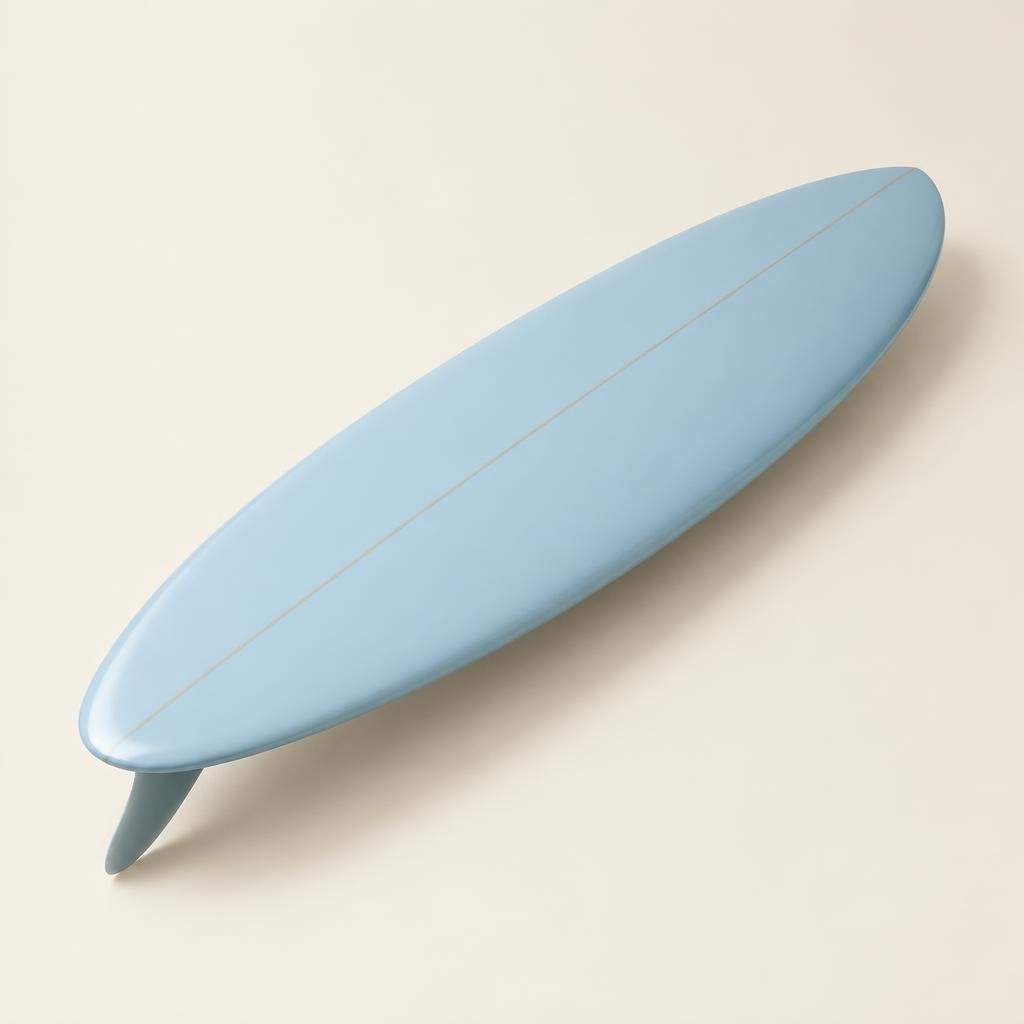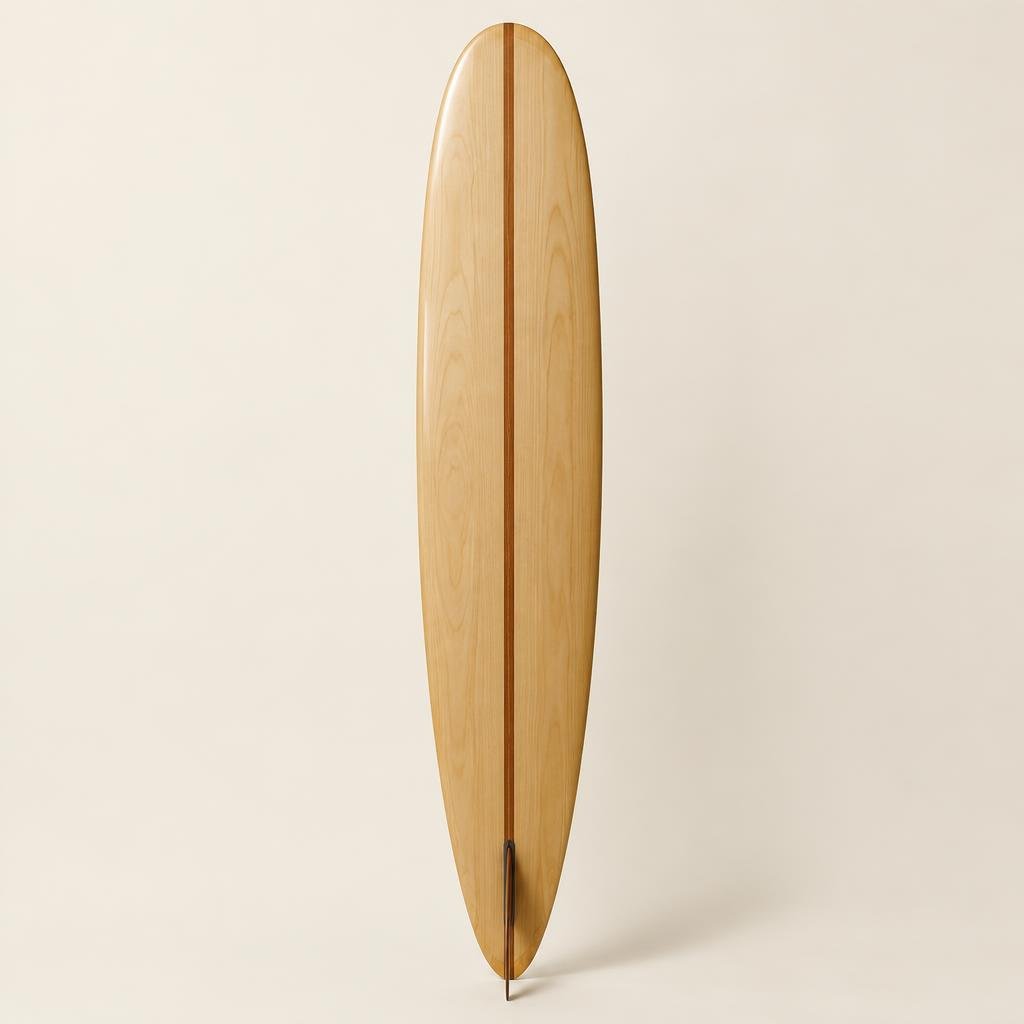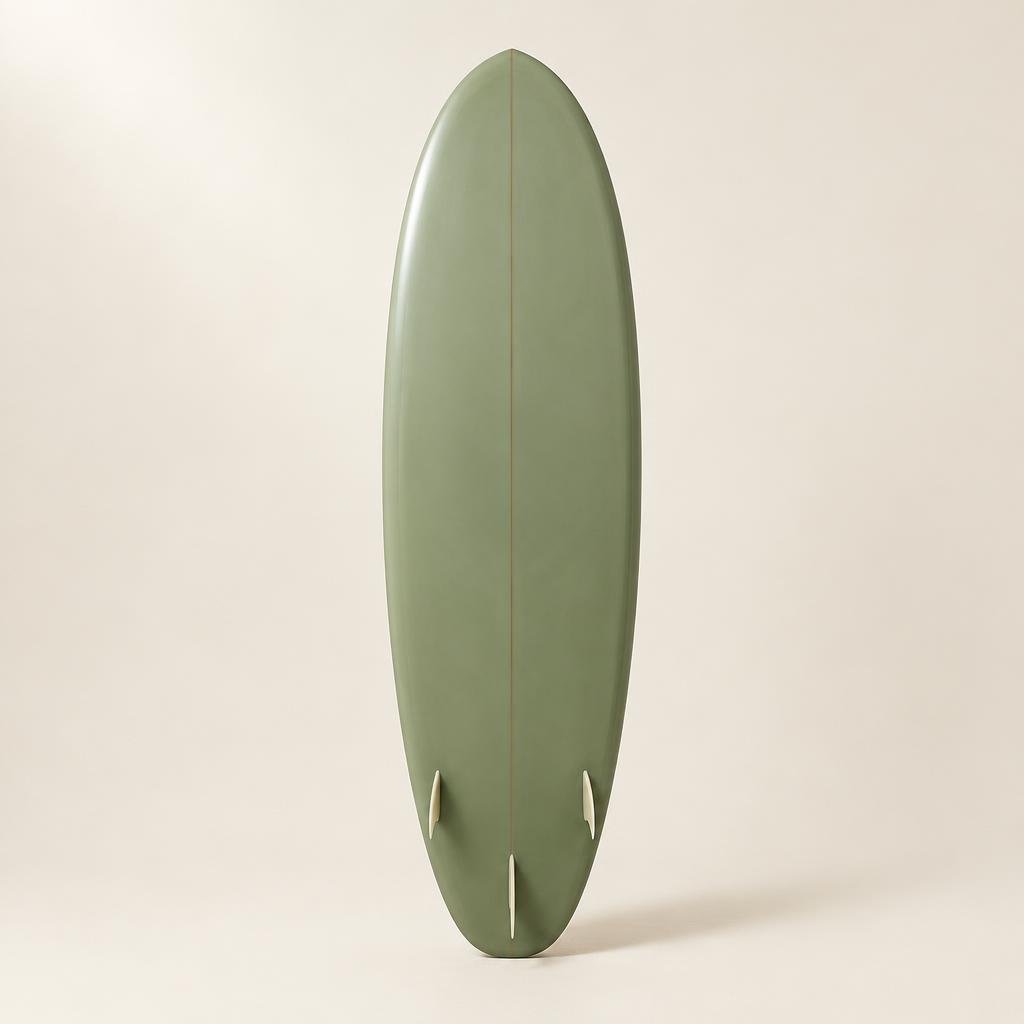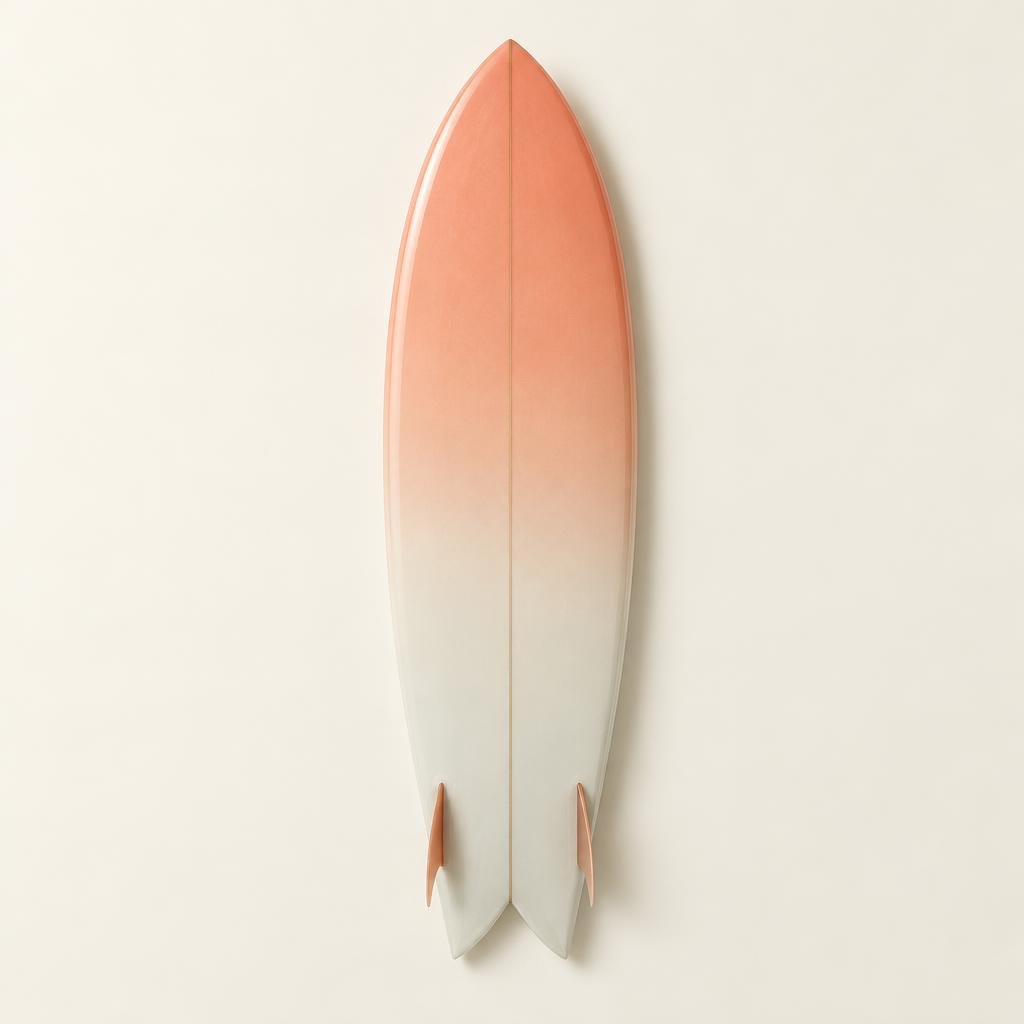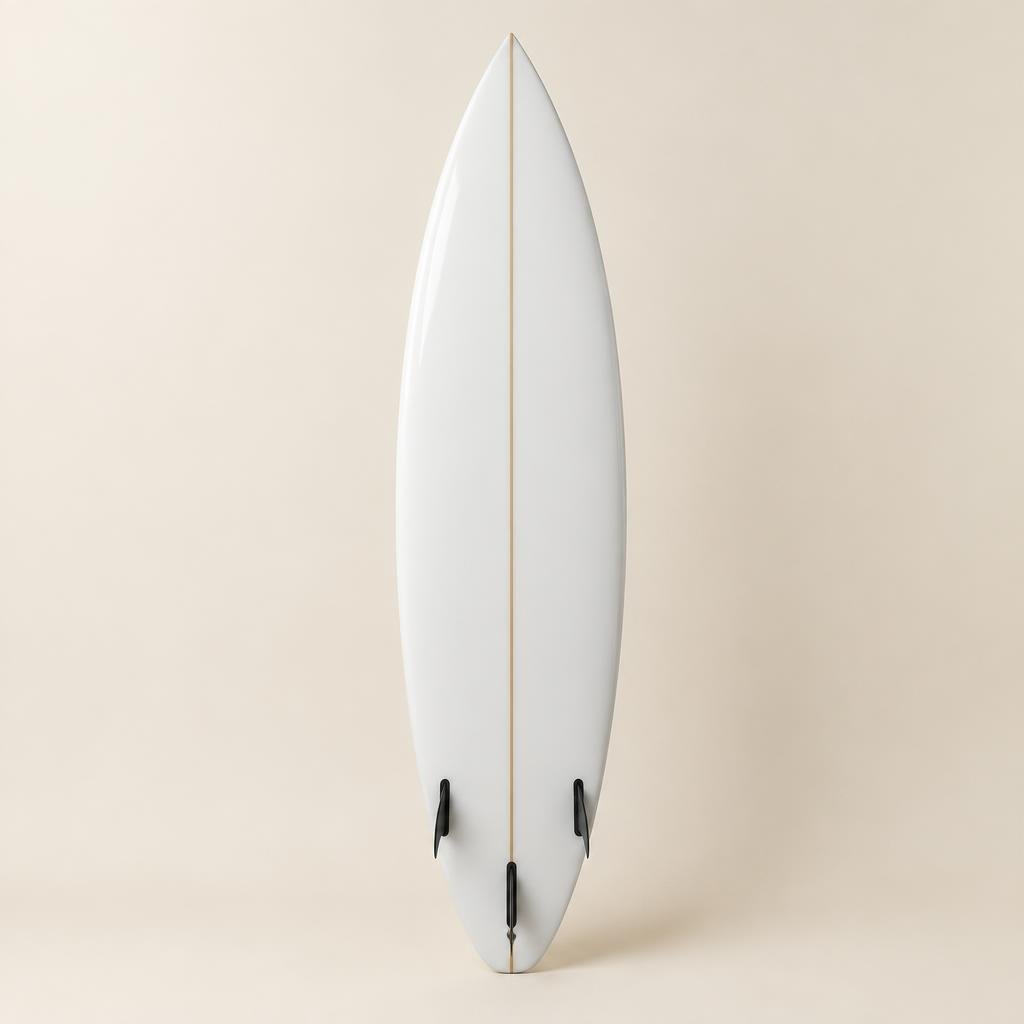

A surfboard is light and fairly delicate, so most damage comes from everyday handling rather than big wipeouts. A few steady habits will keep yours looking good and riding well. None of them take much time once they become routine. Think of it like any piece of gear you rely on: small bits of regular care add up to a board that lasts.
Start with sun. Heat and direct light are hard on a board, and a board left in a hot car can suffer. Most boards are a foam core wrapped in resin and fiberglass, and heat can make the trapped air inside expand and strain that shell. Keep the board in shade whenever you are not in the water.
A padded board bag helps a lot, because it keeps both sun and knocks away. A light colored, reflective bag does even better in warm weather, since it bounces some of the heat instead of soaking it up. Choose a bag that fits the board snugly, with enough padding along the rails and nose, where most of the bumps land.
Rinse the board with fresh water after you surf. Salt and sand left to dry can leave residue, and it can make wax harder to clean off later. A quick rinse is enough, and you do not need to scrub. Pay a little attention to the fin boxes and the leash plug, where grit likes to collect and hide.
Let the board dry in the shade before you put it away. Sealing a damp board in a bag traps moisture against the surface and can leave it smelling stale. Wipe off the standing water with a towel if you are in a hurry. Then leave the bag unzipped for a while so air can move around the board.
Carrying It Without Bumps
Carry the board with care. Most dings come from bumping the rails against car roofs, doors and other boards. Hold it by the rail with the fins facing in, and pay attention in tight spaces. The rails are thin and take the brunt of an accidental knock, so they deserve the most thought when you move around.
Dropping a board tail first on hard ground is another common cause of damage. The tail is thin and the force travels straight up into the foam, which can crush it or crack the glass. Set the board down gently on its side or flat on soft ground, and lean it against something stable rather than letting it stand on its own.
When you load the board on a car, give it a little room. Straps pulled too tight can press a dent into the deck, especially on a lightly built board. Snug is enough. Use padding where the board meets the rack, and keep strap buckles away from the surface, because a metal buckle that swings against the glass can leave a mark.
If you stack boards together, put something soft between them. Fins from one board can cut into the deck of another, and wax can smear across bare glass. A towel or a spare bag works fine. It takes a few seconds, and it saves you from the kind of damage that looks small but is annoying to fix.
Finding and Fixing Dings
Check the board regularly for dings, especially after a hard session. Run your hand over the rails, the nose and the tail, and look closely around the fin boxes. Foam that looks yellowed or feels soft under your thumb can mean water has already found a way in. Small problems are easy to miss if you never look.
A small crack that is left alone can let water in, and that is much harder to fix later. Foam soaks up water like a sponge, and a waterlogged board gets heavy, dull in the water and can start to break down from the inside. Wet foam also makes a repair harder to bond, so the sooner you act, the better.
If you find damage, get it repaired before you surf again. Ignoring it rarely pays off. A quick patch with the right resin can be fine for a tiny surface ding, but deeper cracks or damage near the fins usually call for someone who works with fiberglass. A tidy repair can leave a board as good as it was.
Wax and Storage Habits
Wax needs attention too. Over time it gathers dirt and sand and gets lumpy and slick. Scrape it off and lay a fresh base coat now and then so your feet keep their grip. Use a wax suited to the water temperature you surf in, because wax made for cold water turns soft and gummy when it is warm.
A plastic wax comb makes the job simple. Scrape in one direction, then cross hatch the bare deck with the edge to rough it up for the new coat. Keep the old wax out of the ocean and put it in the trash. Then rub the base layer on in small circles until you have a bumpy surface.
Store the board flat or upright in a cool, dry spot, off the ground. Avoid leaning it at a sharp angle for weeks, and keep the fins from being crushed. A rack on the wall that holds the board by the rails is ideal, since it keeps the weight spread evenly and the deck clear of pressure.
Treated this way, a good board will give you many seasons of waves. None of this needs special tools or a lot of time, just a little attention each time you head out or come back. Rinse it, carry it with care, check it over, and the board will keep rewarding you in the water.